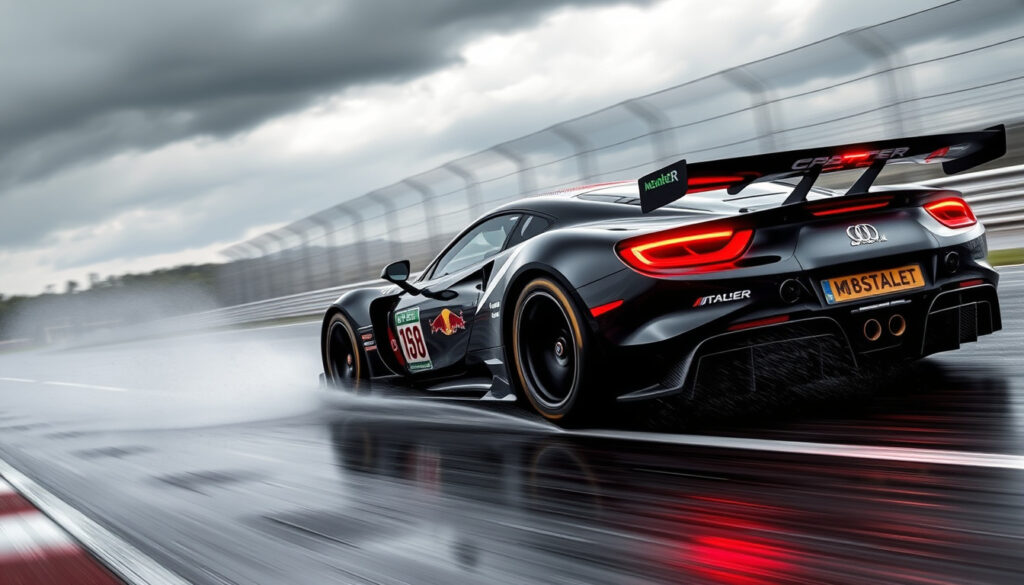
The Art of Racing in the Rain – Summary, Ending, True Story Guide
The Art of Racing in the Rain is a 2008 novel that gained widespread acclaim for its unconventional narrator and heartfelt exploration of family, loss, and perseverance. Written by Garth Stein, the story is told from the perspective of Enzo, a loyal dog whose observations of his owner’s life weave together racing philosophy with the universal challenges of navigating adversity.
The novel has resonated with millions of readers worldwide, spawning multiple editions, a young adult adaptation, and a 2019 feature film. Its enduring popularity stems from the unique lens through which Enzo views human behavior, offering both humor and profound insight into what it means to love unconditionally.
This guide provides a comprehensive look at the book’s origins, themes, adaptations, and lasting cultural impact.
What Is The Art of Racing in the Rain About?
The story centers on Denny Swift, a professional race car driver in Seattle who adopts a puppy he names Enzo after the legendary Ferrari. The narrative unfolds through Enzo’s first-person perspective as an elderly, ailing dog reflecting on his life with Denny and the Swift family.
Enzo recounts the major events that shaped his household: Denny’s racing aspirations, his marriage to Eve, the birth of their daughter Zoë, and the tragedies that followed—including Eve’s illness and death, and a bitter custody battle with Eve’s parents. This “fly on the wall” perspective offers readers intimate access to family moments, filtered through Enzo’s devotion and biases.
Garth Stein
2008
Dog Enzo
2019 Film
Key Insights
- Racing serves as a metaphor for navigating life’s challenges with focus and determination
- A dog’s limited perspective creates both humor and profound observations about human behavior
- The novel explores themes of loyalty, loss, and the hope of reincarnation
- Enzo’s unique narration offers fresh insights into family dynamics and relationships
- The story draws parallels between driving technique and life philosophy
- Legal and financial struggles test the family’s resilience throughout the narrative
| Fact | Details |
|---|---|
| Genre | Fiction / Drama |
| Pages | 336 |
| Film Stars | Milo Ventimiglia, Amanda Seyfried, Kevin Costner |
| Reception | New York Times Bestseller |
| Global Sales | Over 4 million copies |
| Original Publisher | HarperCollins |
Who Is Enzo in The Art of Racing in the Rain?
Enzo is the novel’s narrator, a mixed-breed dog—possibly Labrador combined with Shepherd, Poodle, or Terrier—who was named after Enzo Ferrari by his owner Denny. In the book, Enzo describes his imagined sire as an Airedale terrier named Muggs, based on author Garth Stein’s own family dog.
As the story progresses, Enzo grows from a puppy into an elderly dog confronting mortality. His perspective combines philosophical observations about human behavior with endearing quirks, such as his envy of opposable thumbs and his preference for watching The Godfather. Despite his canine limitations, Enzo demonstrates remarkable wisdom about life, loyalty, and perseverance.
Garth Stein chose a dog narrator specifically for its limitations—no speech, no thumbs—which paradoxically enables unjudged observation. Enzo’s inability to communicate freely creates both irony and intimate access to human drama that a human narrator might not achieve.
Is The Art of Racing in the Rain Based on a True Story?
The Art of Racing in the Rain is a work of fiction and is not based on a true story. However, the novel draws significantly from author Garth Stein’s personal experiences and interests.
Stein himself has raced cars, and his experiences on the track informed much of the racing philosophy embedded throughout the narrative. The character of Enzo was inspired in part by Stein’s family dog, Muggs, an Airedale terrier who appears in the book as Enzo’s imagined sire.
What Inspired Garth Stein to Write It?
Stein has spoken about the deliberate choice to use a dog narrator. Dogs possess distinct limitations—they cannot speak, they lack thumbs—but they also have advantages as observers. Enzo serves as an unjudged witness to human drama, offering biased yet deeply intimate insights into family life.
The racing mantras that permeated Stein’s time on tracks, such as “the car goes where the eyes look,” became foundational to Enzo’s philosophical voice. These phrases, combined with the ironic limitations of a dog who cannot speak but understands everything, shaped the narrative’s unique tone.
Garth Stein is an American author whose experiences as an amateur race car driver directly influenced the racing philosophy woven throughout The Art of Racing in the Rain. His personal connection to both motorsports and dogs provided the emotional foundation for the story.
Why Is It Called The Art of Racing in the Rain?
The title pays tribute to Formula 1 driver Ayrton Senna’s legendary performance at the 1993 European Grand Prix, where he achieved a masterful victory in heavy rain. Senna was Enzo’s favorite racer, and his rainy day triumph became symbolic of the skill required to navigate adverse conditions.
Beyond the literal racing reference, the title serves as a metaphor for life itself. Rain represents adversity, obstacles, and challenging circumstances. The “art” lies in approaching these difficulties with grace, focus, and courage—qualities that define both successful racing and resilient living.
Racing Philosophy Throughout the Novel
The book is rich with racing wisdom that translates into life lessons. Key principles include the concept of manifestation—your car goes where your eyes look—suggesting that focus determines outcomes in both racing and life. Enzo absorbs these lessons during conversations with Denny and applies them to his observations of human behavior.
Other racing philosophies explored include the importance of preparation, the value of perseverance through setbacks, and the need to maintain focus even when circumstances become difficult. These lessons emerge naturally through Enzo’s perspective, making complex ideas accessible through the lens of canine understanding.
What Happens at the End of The Art of Racing in the Rain?
The novel’s frame narrative finds Enzo as a frail, elderly dog awaiting death while reflecting on his life with Denny. A central belief drives his final days: according to a Mongolian tale he learned from Denny, good dogs reincarnate as humans in their next lives. Enzo hopes that after death, he will return as a human and reunite with his beloved owner.
The story reaches its emotional conclusion as Denny achieves professional racing success and regains custody of his daughter Zoë after the legal battles that followed Eve’s death. Enzo dies peacefully, with Denny promising eternal companionship. The ending symbolizes closure through unwavering loyalty and the belief in life’s continuity beyond the physical realm.
The ending of The Art of Racing in the Rain deals with themes of mortality, loss, and separation. Readers should be prepared for the death of a central character, which serves as a poignant conclusion to the emotional journey rather than a tragedy.
Is The Art of Racing in the Rain Sad?
The novel contains significant emotional content, including illness, death, family conflict, and legal struggles. However, the overall tone balances these heavier elements with humor, warmth, and ultimately hopeful resolution. Many readers find the story moving without being gratuitously depressing, as the themes of loyalty and perseverance provide counterbalance to the sorrow.
The 2019 film adaptation amplifies certain emotional moments, leading some viewers to consider it a tearjerker. The novel’s philosophical framing through Enzo’s perspective helps readers process the difficult events while maintaining appreciation for the beauty in ordinary moments.
How Does the Movie Adaptation Compare?
The 2019 film adaptation, directed by Simon Curtis and written by Mark Bomback, brought The Art of Racing in the Rain to new audiences. The movie stars Milo Ventimiglia as Denny Swift, Amanda Seyfried as Eve, and features Kevin Costner providing the voice of Enzo, portrayed on screen by a golden retriever named Parker.
The film follows the book’s plot closely, including Denny adopting Enzo, the family’s joys and tragedies, and the reincarnation motif. However, several notable changes distinguish the adaptation from its source material.
Book vs. Movie Comparison
| Aspect | Book (2008) | Movie (2019) |
|---|---|---|
| Narrator | Mixed-breed dog, philosophical voice | Golden retriever, voiced by Kevin Costner |
| Perspective | Introspective, trivia-loving with racing obsessions | More visual and emotional |
| Tone | Philosophical, biased canine observations | Heartfelt family drama |
| Fidelity | Detailed family and legal struggles | Condensed for film pacing |
| Unique Elements | Godfather references, thumb envy | Enhanced racing visuals, Mongolian belief upfront |
The book offers deeper access to Enzo’s internal monologue and philosophical musings, while the film prioritizes visual storytelling and emotional performances. The movie’s star power—particularly Ventimiglia and Seyfried—provides strong dramatic foundation, though some purists prefer the novel’s nuanced canine perspective.
Publication and Adaptation Timeline
The Art of Racing in the Rain has evolved across multiple formats since its initial release, reaching new audiences through various adaptations.
- : Original adult novel published by HarperCollins, beginning its journey to global success
- : Young adult version released titled Racing in the Rain: My Life as a Dog
- : Children’s book Enzo Races in the Rain published with illustrations by R.W. Alley
- : Film adaptation officially announced
- : Feature film released in theaters
More than fifteen years after its initial publication, The Art of Racing in the Rain maintains strong reader engagement and remains a popular choice for book clubs and classroom discussions.
Fiction and Inspiration: What We Know and What Remains Unclear
| Established Information | Uncertain or Unverified Details |
|---|---|
| Novel is fiction, not a true story | Specific details about Muggs beyond being an Airedale |
| Inspired by Stein’s racing experience and family dog | Exact racing events that inspired specific scenes |
| Over 4 million copies sold worldwide | Detailed sales figures by region or format |
| Title honors Ayrton Senna’s 1993 performance | Whether Stein met Senna or heard stories directly |
Themes and Cultural Impact
The Art of Racing in the Rain explores several interconnected themes that have resonated with readers across demographics. Loyalty and unconditional love form the emotional core of the narrative, with Enzo’s steadfast devotion to Denny providing a model of devoted companionship.
The theme of reincarnation and legacy adds philosophical depth, as Enzo’s belief in returning as a human underscores the continuity of life and the connections that transcend physical existence. This motif provides comfort and hope throughout the more difficult passages of the story.
Human frailty receives gentle but honest examination through Enzo’s observations. His critiques of opposable thumbs, jealousy, and poor decision-making offer both humor and insight, while his aspiration to human form reveals the dog’s deep engagement with human concerns despite his canine nature.
Resilience emerges as perhaps the most enduring theme. Racing in rain symbolizes the ability to endure loss, legal battles, and setbacks without losing focus or determination. This message has made the book particularly popular among readers facing their own challenges.
Critical Reception and Reader Response
The novel garnered praise for its unique narrative voice. Critics and readers alike noted Enzo’s perceptive observations and thumb-obsessed perspective as distinguishing features that elevated the book beyond typical “family faces adversity” tales.
The dog’s narration offers a fresh, unfiltered view of family dynamics while embodying human lessons despite canine limitations. Readers found Enzo’s voice charming, philosophical, and unexpectedly profound.
The film’s reception highlighted strong performances, particularly Kevin Costner’s voice work and the chemistry between Ventimiglia and Seyfried. Some critics noted that canine narration may appeal most strongly to younger audiences, though the family-friendly themes ensured broad appeal.
Summary
The Art of Racing in the Rain stands as a distinctive work of contemporary fiction that uses an unconventional narrator to explore universal themes of love, loss, and perseverance. Through Enzo’s eyes, readers experience a story that blends racing philosophy with family drama, ultimately delivering a message about resilience and the bonds that endure beyond physical presence.
The book’s success across multiple formats—from the original novel to young adult adaptations to the 2019 film—demonstrates its broad appeal. Whether readers encounter the story through print, screen, or the children’s version, the core themes of loyalty and hope continue to resonate.
Frequently Asked Questions
Is The Art of Racing in the Rain sad?
The novel contains emotional content including illness, death, and family conflict, but balances these elements with humor and ultimately hopeful resolution. Many readers find it moving without being excessively depressing.
What inspired the title?
The title honors Ayrton Senna’s 1993 Formula 1 victory in heavy rain and serves as a metaphor for navigating life’s adversities with grace and focus.
Who narrates the movie?
Kevin Costner provides Enzo’s voice in the 2019 film, while Milo Ventimiglia plays Denny Swift and Amanda Seyfried portrays Eve.
Is there a sequel to the book?
No direct sequel exists, though young adult and children’s adaptations have expanded the Enzo universe for different age groups.
What breed is Enzo in the movie?
The film adaptation features Enzo as a golden retriever, played by a dog named Parker. In the novel, Enzo is described as a mixed breed, possibly Labrador with Shepherd, Poodle, or Terrier lineage.
How many copies has the book sold?
The novel has sold over 4 million copies worldwide since its 2008 publication.
Meer gerelateerde berichten
 Park and Fly Toronto – Complete YYZ Parking Guide
 A&W Specials Today: Deals, Discounts, and Menu Prices
 Lane Kiffin LSU: Wife, Age, Why He Left, Reactions
 Wednesday Season 2 Cast – Full List and New Faces
 Argentina National Football Team Standings: 2026 World Cup Hopes
 Bonnie Critchley: Independent Military Vet Candidate Profile
 What Is an LLC? Guide to Limited Liability Companies
 Vehicle Transfer Loophole BC – Official Family Exemption Rules